Overview
Commercial HVAC solutions for Birmingham facility managers.
Commercial HVAC service in Birmingham covers offices, restaurants, retail, industrial, and multifamily under one dispatch line — 24/7 for Jefferson and Shelby County facility teams.
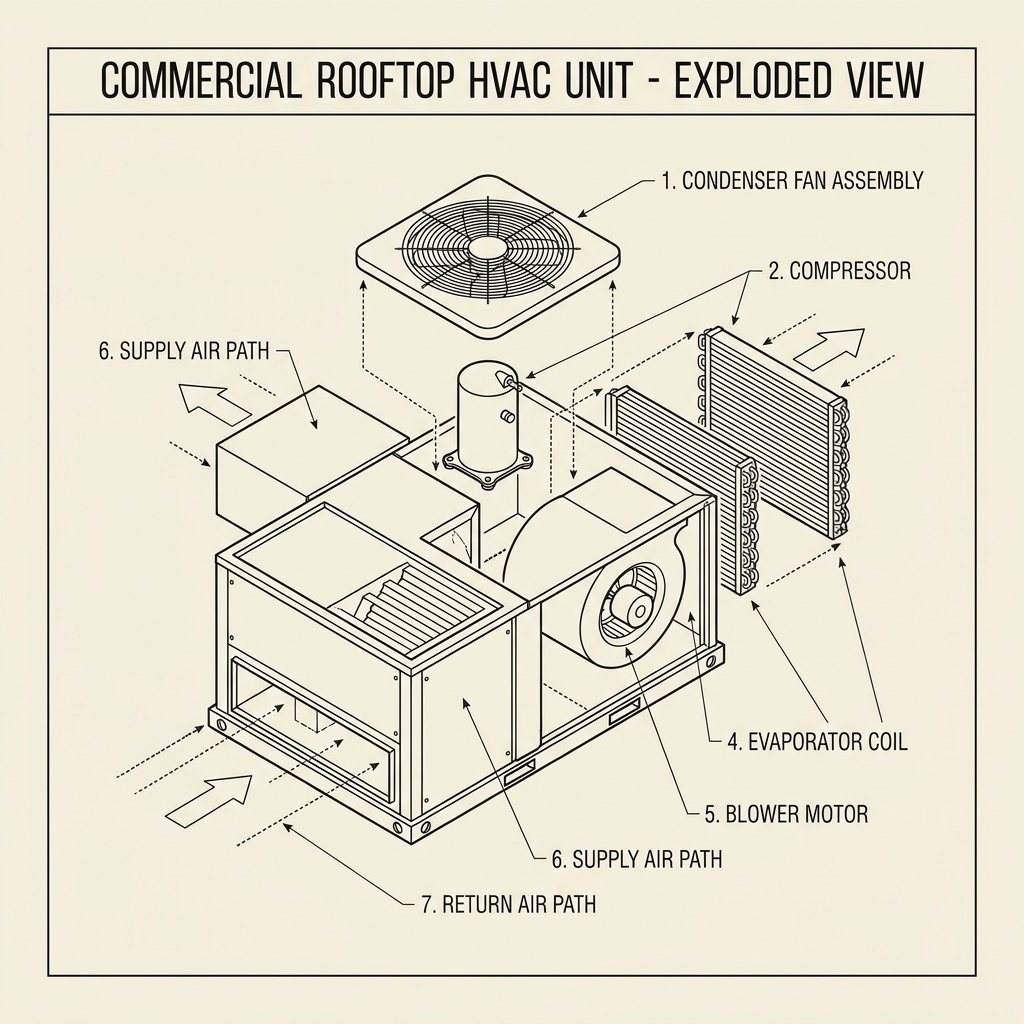
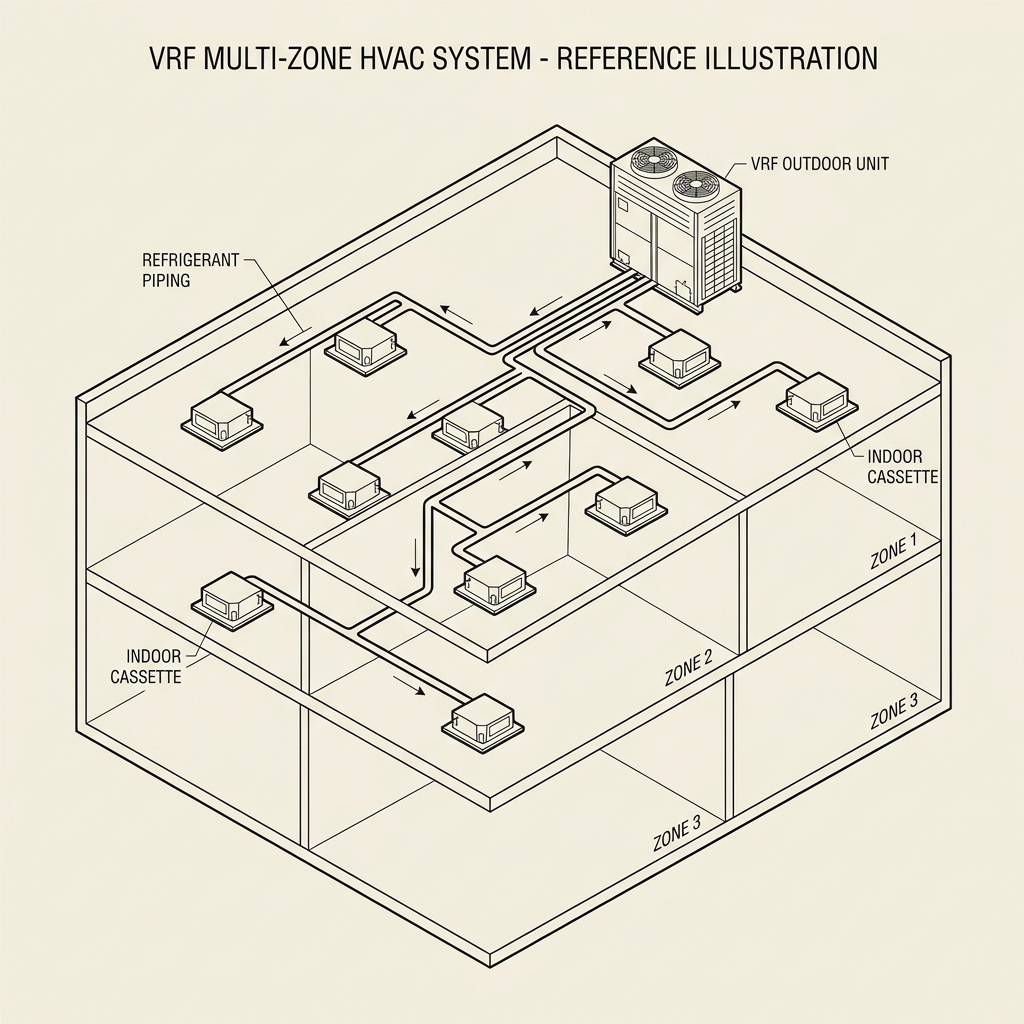
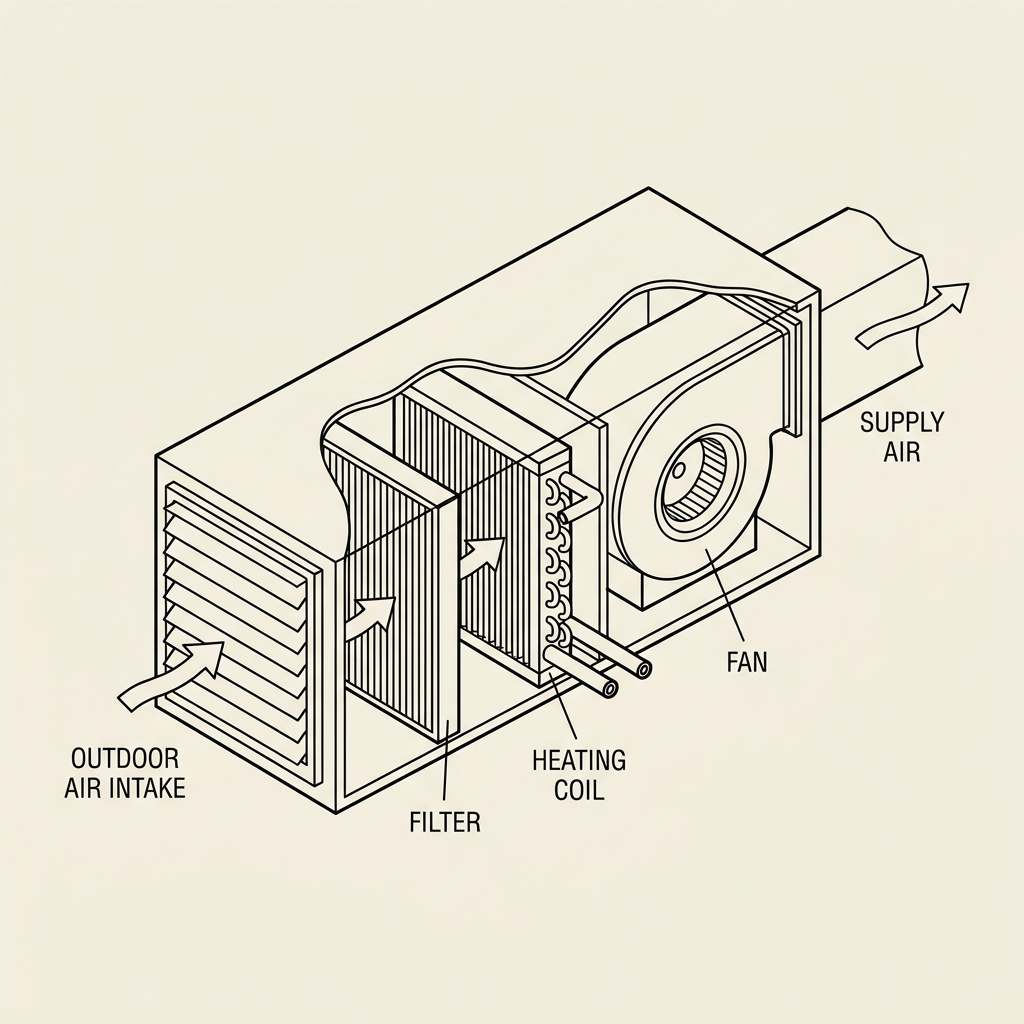
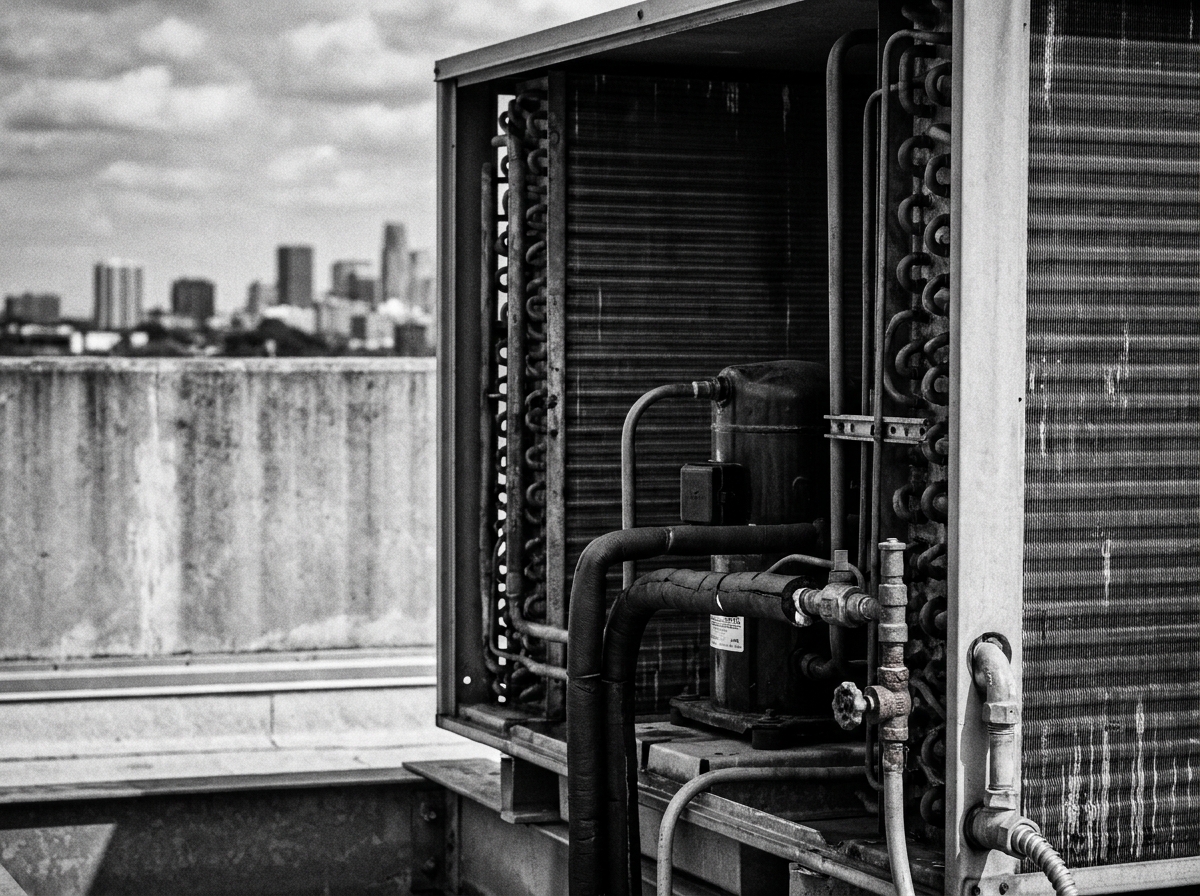
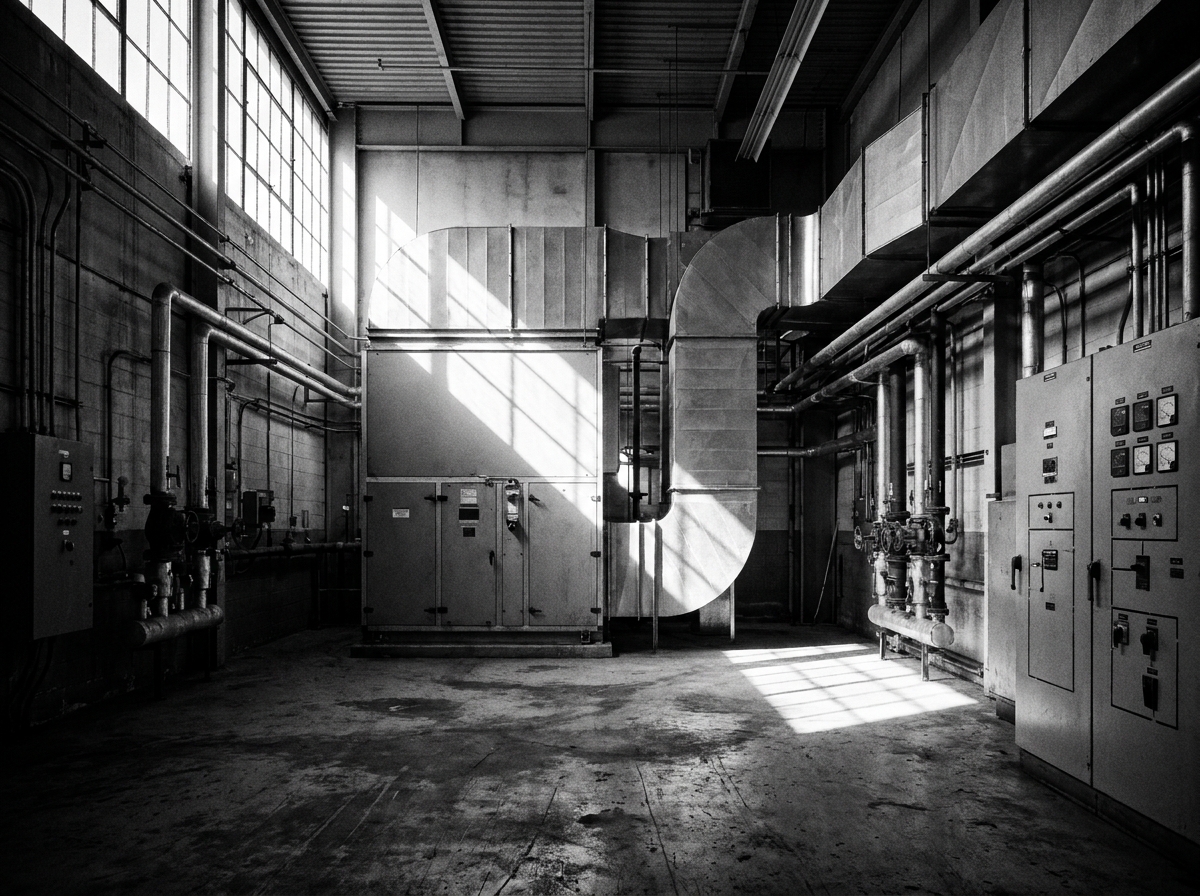
If you searched commercial HVAC company near me or commercial HVAC contractor near me from a Birmingham office park, a downtown high-rise, a strip-center anchor, or a Hoover warehouse, this is the page. Emergency HVAC Repair Pros is a Birmingham-based commercial HVAC service company. We work on commercial heating and air conditioning equipment only — rooftop units, air handlers, chillers, VRF, commercial refrigeration, make-up air, building automation. We do not run residential service trucks. The dispatcher answering your call already knows the difference between a 7.5-ton RTU short-cycling on a low-voltage fault and a 25-ton chiller throwing a low refrigerant alarm.
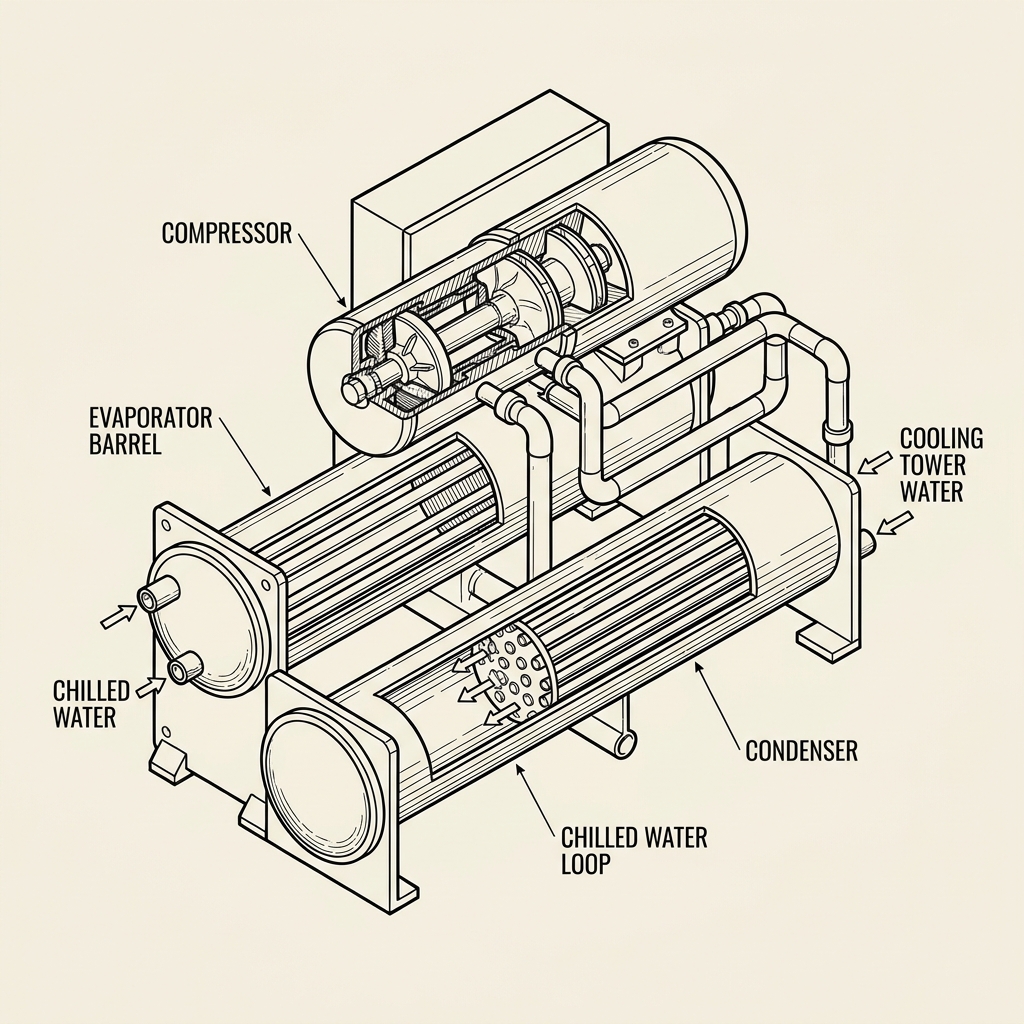
Commercial HVAC emergency service in Birmingham carries specific technical and regulatory requirements that residential service cannot meet. Commercial refrigerant systems routinely exceed the 50-pound charge threshold that triggers U.S. EPA Clean Air Act Section 608 leak-repair and reporting obligations. Centrifugal and magnetic-bearing chiller compressor platforms — Trane CenTraVac, Carrier 19DV, York YK, Daikin Magnitude — require factory training and refrigerant recovery equipment that residential contractors do not carry. Commercial rooftop units on multi-story buildings require rooftop-rated safety protocols, equipment rigging, and fall protection under OSHA 29 CFR 1910 subpart D. Commercial kitchen make-up air intersects with the NFPA 96 Standard for Ventilation Control and Fire Protection of Commercial Cooking Operations, and ventilation rates must meet ASHRAE Standard 62.1 occupancy-class targets. Source: ASHRAE 62.1, EPA Section 608.
Most national commercial air conditioning companies — Carrier, Trane, Lennox, York, Daikin — are equipment manufacturers, not service contractors. They build the commercial HVAC unit; somebody local installs it, services it, and gets it back online when it fails. We are that local crew. Form-based dispatch routing to a human coordinator, not a call-center answering service. Email-first communication building a documented paper trail for the facilities file. Itemized invoicing reconciling against property management accounts under BOMA-aligned operational reporting standards. Preventive maintenance contracts scoped to the equipment inventory of a specific building or multi-property portfolio per ASHRAE Standard 180 inspection and maintenance recommendations. Licensed technicians carrying commercial truck inventory and commercial-class diagnostic instruments — Fieldpiece combustion analyzers, Testo refrigerant leak detectors, Fluke electrical meters calibrated for commercial voltage — not residential parts scaled up. Read our maintenance-contract guide before signing a PM agreement, and review RTU lifecycle planning if you operate packaged rooftop equipment past year 10.
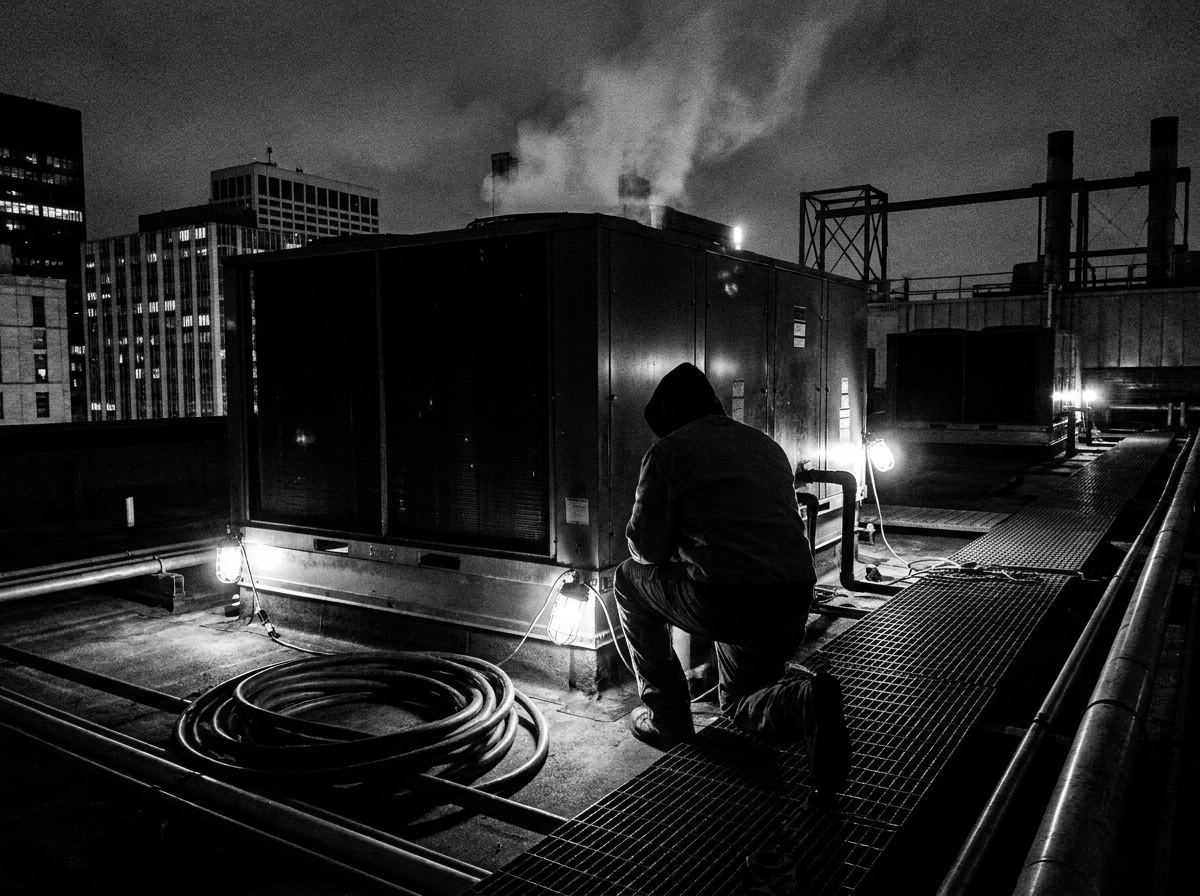
Coverage includes Jefferson, Shelby, and St. Clair counties from downtown Birmingham out through Hoover, Vestavia Hills, Mountain Brook, Homewood, Inverness, Trussville, Bessemer, McCalla, and the I-459, I-20, I-65 commercial corridors. Dispatch operates 24 hours a day, 7 days a week, including weekends and federal holidays. After-hours commercial dispatch is the majority of our workload — most chiller trips, walk-in cooler failures, and RTU compressor problems surface outside business hours because that is when buildings shift to unoccupied setback and equipment that was marginal during the day enters failure mode. For Alabama-specific code context, see our commercial HVAC compliance primer.
Sources and standards referenced: ASHRAE Standards 62.1, 90.1, 180, 15; ACCA Manual N; NFPA 96; U.S. EPA Clean Air Act Section 608 and AIM Act; OSHA 29 CFR 1910; BOMA commercial operations benchmarks; AHRI certification directory; Alabama Board of Heating, Air Conditioning, and Refrigeration Contractors (state licensure).