Light Industrial Vertical · Birmingham, AL

Warehouse cooling, scoped for the working side of the building.

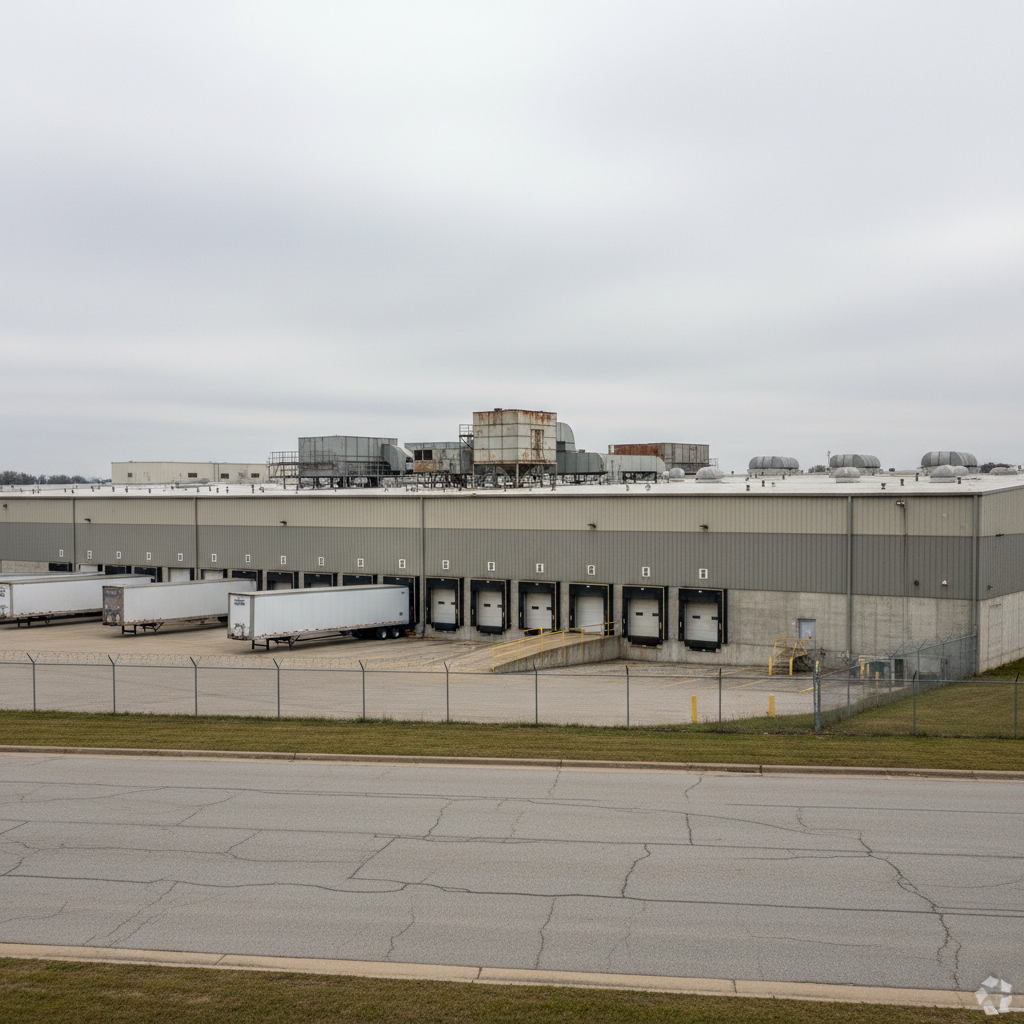
Distribution centers, manufacturing warehouses, light-industrial buildings, and 3PL operations. Make-up air, unit heaters, process cooling for equipment-sensitive areas, evaporative cooling for high-volume spaces, and dock-door coordination.

TL;DR. Warehouse cooling in Birmingham is a different problem than office or retail HVAC. Volumes are larger, equipment is sparser, ceiling heights complicate distribution, and the cooling target is often equipment performance or worker safety rather than tenant comfort. Emergency HVAC Repair Pros services Birmingham distribution centers, manufacturing warehouses, and light-industrial buildings — make-up air, unit heaters, process cooling, and evaporative cooling systems. Call (205) 206-6606 for dispatch or a facility-walk PM scoping visit.

The warehouse and light-industrial equipment stack.

Birmingham's industrial and warehouse inventory clusters around the I-20 / I-59 / I-65 freight corridors — Oxmoor, Tarrant, Trussville industrial parks, Pelham, Alabaster, and the Bessemer corridor. The equipment mix varies sharply by building purpose. A general-purpose dry storage warehouse usually runs minimal cooling — unit heaters for winter heating, dock-door ventilation, and possibly evaporative cooling in office and break-room areas. A temperature-controlled distribution center runs full cooling on the warehouse floor with high-tonnage packaged equipment or built-up air handling. A light-manufacturing facility often has process cooling for specific equipment, area cooling for worker comfort, and make-up air for combustion or exhaust ventilation.

The equipment scope we service in Birmingham light industrial: packaged rooftop units 7.5 to 50 tons, gas-fired or hydronic warehouse unit heaters, make-up air units (direct-fired and indirect), exhaust fans for ventilation and process applications, evaporative cooling systems where the building configuration supports them, process cooling equipment serving specific industrial equipment, and dedicated outdoor air systems on newer buildings. Brands include Carrier, Trane, York, Lennox, Daikin, Goodman, Greenheck (exhaust and make-up air), Reznor (unit heaters), Modine (unit heaters), and others depending on the facility.

The technicians dispatched to industrial calls in Birmingham carry EPA Section 608 certification, Alabama state HVAC licenses, and the truck inventory for the heavier equipment scope including combustion analyzers for gas-fired make-up air units and unit heaters. We are licensed, bonded, and insured for commercial work and we provide certificate of insurance documentation directly to facility safety and environmental compliance teams on request.
Make-up air and exhaust — the ventilation balance.

Many Birmingham light-industrial facilities run exhaust ventilation for combustion equipment, paint booths, welding operations, plating operations, or general process exhaust. The exhaust pulls air out of the building. The make-up air system pushes conditioned outside air back in to balance the pressure and replace the exhausted air. When the balance is off, the building runs negative — dock doors pull hard, mechanical-room doors slam shut, and combustion equipment can backdraft.

The make-up air diagnostic on a Birmingham industrial call: verify the unit is calling for operation through the building-automation or manual control input, verify the supply blower is running at design speed and design CFM, verify the gas-fired heating section is firing under combustion analysis (CO and CO2 readings against manufacturer's spec, draft pressure, flue gas temperature), verify the cooling section is operating at design refrigerant pressures, and confirm the supply air discharge temperature is within the design band. A make-up air unit that is short-cycling, undercharged, running with a failed blower motor, or experiencing combustion problems needs that specific repair — and the repair has to happen quickly because the rest of the building's ventilation depends on it.

Exhaust fan service runs alongside make-up air service. Belt-driven exhaust fans in industrial applications are wear-prone — belts stretch, bearings wear, and motor amp draw climbs as the fan loads up with dust and debris. We service the exhaust side and the make-up air side as a system, because that is how the building operates.

Unit heaters and winter heating coverage.

Birmingham winters are mild on average but include sustained cold snaps — single-digit to teens overnight lows several times per winter. Warehouse unit heaters that have been idle through summer often fail on the first cold call of the season. The pattern is predictable: thermocouple or flame sensor failure on standing-pilot units, ignition module failure on intermittent-pilot or hot-surface-ignition units, gas valve failure on units with extended idle time, and combustion blower failure on direct-vent units.

We do a pre-winter unit heater inspection visit as part of the standard warehouse PM contract. The scope: gas-train inspection and combustion analysis, ignition system test, belt inspection and tension on belt-driven blowers, motor amp draw verification, vibration check on the blower bearing, propeller blade inspection, electrical connection torque, thermostat operation, and burner cleaning where required by the manufacturer's service literature. A pre-winter inspection catches most failures before they become a frozen-pipe call in January.

For warehouses operating combustion equipment year-round — process heat, makeup air with heating section, or unit heaters running outside the heating season for moisture control — we run the same combustion analysis on a quarterly cadence. NFPA 54 (national fuel gas code) and the manufacturer's service literature are the working references.

Process cooling and area cooling — different problems.

The cooling target matters. Worker-comfort cooling in a Birmingham warehouse can tolerate 78 to 82 degrees in the working area on a peak summer day — it is cooler than outside, the worker has hydration access, and OSHA general-duty heat-illness guidance is met. Equipment-protection cooling for sensitive process equipment — server rooms, optical and laser equipment, pharmaceutical packaging operations — often requires 72 to 76 degrees with humidity control, sometimes tighter.

We diagnose against the target. A worker-comfort cooling call where the building is running 88 degrees on a 95-degree day is a different problem than an equipment-protection call where the server room is drifting from 73 degrees to 79 degrees. The diagnostic process — refrigerant pressures, supply air temperature, return air temperature, refrigerant superheat and subcooling, airflow verification — is the same. The acceptable end state is different.

For equipment-protection cooling in light industrial, the equipment configuration is often a dedicated split system or a small packaged unit serving the controlled space with redundancy. We service the working unit and verify the backup unit's standby readiness on each PM visit. The mean-time-to-failure math on a single-string cooling configuration for sensitive equipment is rarely acceptable, and we will discuss the redundancy conversation if it has not been addressed.

Preventive maintenance for warehouse and industrial buildings.

The warehouse PM contract is built around the building's operating cycle. Pre-summer cooling-equipment readiness visit in March or April. Pre-winter heating-equipment readiness visit in September or October. Mid-cycle inspection visits in June and December. The visit scope covers all installed HVAC equipment in the building — packaged rooftop units, unit heaters, make-up air, exhaust fans, and any process cooling on the contract scope.

Documentation is built for the safety and environmental file. Combustion analysis results on every gas-fired piece of equipment. Refrigerant pressure logs on every cooling system. Belt inspection notes on every belt-driven blower or exhaust fan. Electrical connection torque verification on every piece of major equipment. The format is consistent across visits so the facility's annual safety audit has a clean reference set.

For multi-building light-industrial portfolios — distribution operators with multiple Birmingham facilities, manufacturing operations with separated buildings — we write a single contract across the combined equipment inventory under one invoice and one facilities-team point of contact. Review the maintenance-contract guide for the contract-structure framework or download the compliance checklist PDF as a starting reference for the facility file.

FAQ

Questions Birmingham facility managers ask.

Do you service make-up air units and exhaust fans alongside the cooling equipment?

Yes. Make-up air and exhaust are part of the ventilation system, not a separate scope. We service the gas-fired heating section under combustion analysis per NFPA 54 and the manufacturer's service literature, the cooling section against design refrigerant pressures, the supply blower against design CFM, and the exhaust fan motors and belts. The make-up air and exhaust sides are diagnosed and serviced as a balanced system because that is how the building operates.

What about process cooling for sensitive industrial equipment?

Process cooling for server rooms, laser and optical equipment, pharmaceutical packaging, and similar applications carries a different service scope than worker-comfort area cooling. We service the working unit and verify standby readiness on the backup unit each visit. If your process cooling is configured as a single-string system without redundancy on sensitive equipment, we will discuss the redundancy conversation directly — running critical process cooling without a backup is a measurable operational risk.

Do you handle the heating side — warehouse unit heaters and gas-fired equipment?

Yes. Warehouse unit heaters from Reznor, Modine, and other manufacturers are part of the standard service scope, including pre-winter inspection visits in September or October, combustion analysis, ignition system testing, gas-train inspection, and burner service per the manufacturer's literature. We also service gas-fired make-up air units, process heat equipment, and indirect-fired heating sections on packaged rooftop units.

Are your technicians licensed for combustion work and gas piping in Alabama?

Yes. The dispatched technicians hold Alabama state HVAC licenses, EPA Section 608 certification, and are qualified for the combustion-equipment scope. We follow NFPA 54 (national fuel gas code) and the manufacturer's service literature on every combustion service visit. We provide certificate of insurance documentation directly to your facility safety and environmental compliance team on request.

How do you handle multi-building light-industrial portfolios?

Distribution operators and manufacturing companies with multiple Birmingham facilities get a single preventive maintenance contract scoped to the combined equipment inventory across all locations under one invoice and one facilities-team point of contact. Service tickets are itemized per building and per piece of equipment for clean facility-level accounting and safety-file documentation.

What if a unit heater fails on the first cold snap of the season?

Call (205) 206-6606. We dispatch 24 hours a day, including weekends. The pre-winter inspection PM visit catches most failures before they become an emergency call, but if you have not yet engaged a PM contract and a unit heater fails during a cold snap, we route a technician with the combustion-analysis and gas-train diagnostic equipment needed for the call.
Related

More from EHRP.

JD
John Davis — Lead commercial HVAC technician
Alabama state HVAC licensed · bonded · insured · EPA Section 608 Universal · 25 years field experience

Service tickets dispatched by a human coordinator. Documentation written for the facilities file, not for the marketing brochure. Commercial-only service across Birmingham, Hoover, Vestavia, Pelham, Trussville, Alabaster, McCalla, and the broader Jefferson County and Shelby County metro.

Request Dispatch

Tell us what's down.

Commercial HVAC only. Submit the form and a dispatch coordinator follows up by email. For active outages, call (205) 206-6606.

  • RTU, chiller, VRF, commercial refrigeration
  • After-hours and weekend dispatch
  • Preventive maintenance contracts
  • Portfolio property management

Commercial dispatch request

We email confirmation within business hours. For active outages, call the line above.